

Managed Bumble Bees in Alberta Greenhouses
ANBC recognizes that greenhouse operations vary, and we welcome opportunities to work with growers, suppliers, and greenhouse operators to identify practical approaches that support both successful greenhouse production and native bee conservation.
Why It Matters
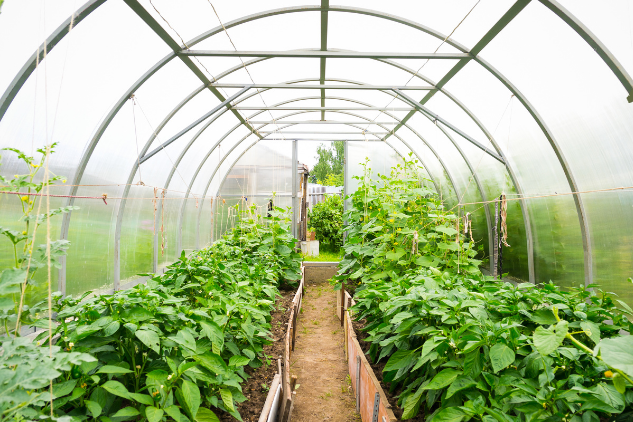
Managed bumble bees are valuable greenhouse pollinators.
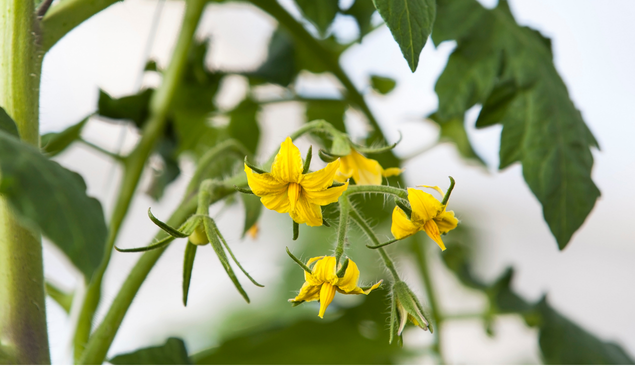
Bumble bees are highly effective pollinators of greenhouse crops, particularly tomatoes, and managed colonies are an important tool for greenhouse production.
Their use isn't the problem. The concern arises when managed bumble bees escape from greenhouses and interact with native bees.
Alberta is home to approximately 371 species of native bees, including a diverse community of native bumble bees. These bees play important roles in Alberta's ecosystems and agriculture.
Today, the Common Eastern Bumble Bee (Bombus impatiens) is the primary species used for commercial greenhouse pollination. As its name suggests, this species is native to eastern North America. It is not native to Alberta.
Keeping managed B. impatiens healthy and contained within greenhouses allows growers to benefit from their pollination services while reducing risks to native bees.
What Are the Risks?
Disease transmission
Managed bumble bees can carry pathogens that can also infect native bumble bees. If managed bees escape, they can potentially transmit pathogens to native bees, including indirectly when managed and native bees visit the same flowers. Keeping colonies healthy and contained helps reduce that opportunity.
Preventing contact between managed and native bees is therefore an important part of reducing disease risk.
Establishment in the wild
Because B. impatiens is not native to Alberta, escape creates another concern: establishment of a non-native species in the wild.
Escaped B. impatiens workers, males, and queens have been documented outside greenhouse facilities in Alberta, and wild populations have now been reported in southeastern Alberta.
Preventing queens from escaping is particularly important. A successfully mated queen has the potential to establish a new colony outside the greenhouse.
A lesson from the Western Bumble Bee
The Western Bumble Bee (Bombus occidentalis) was historically widespread and common across much of western North America. It was also once commercially reared for crop pollination.
Beginning in the 1990s, populations declined dramatically in parts of its range, including Canada. Pathogen spillover associated with commercial bumble bee production has been identified as one potential contributor to these declines.
The history of the Western Bumble Bee highlights why disease prevention and separation of managed and native bees matter.
The good news is that many of the steps greenhouse growers can take are simple.
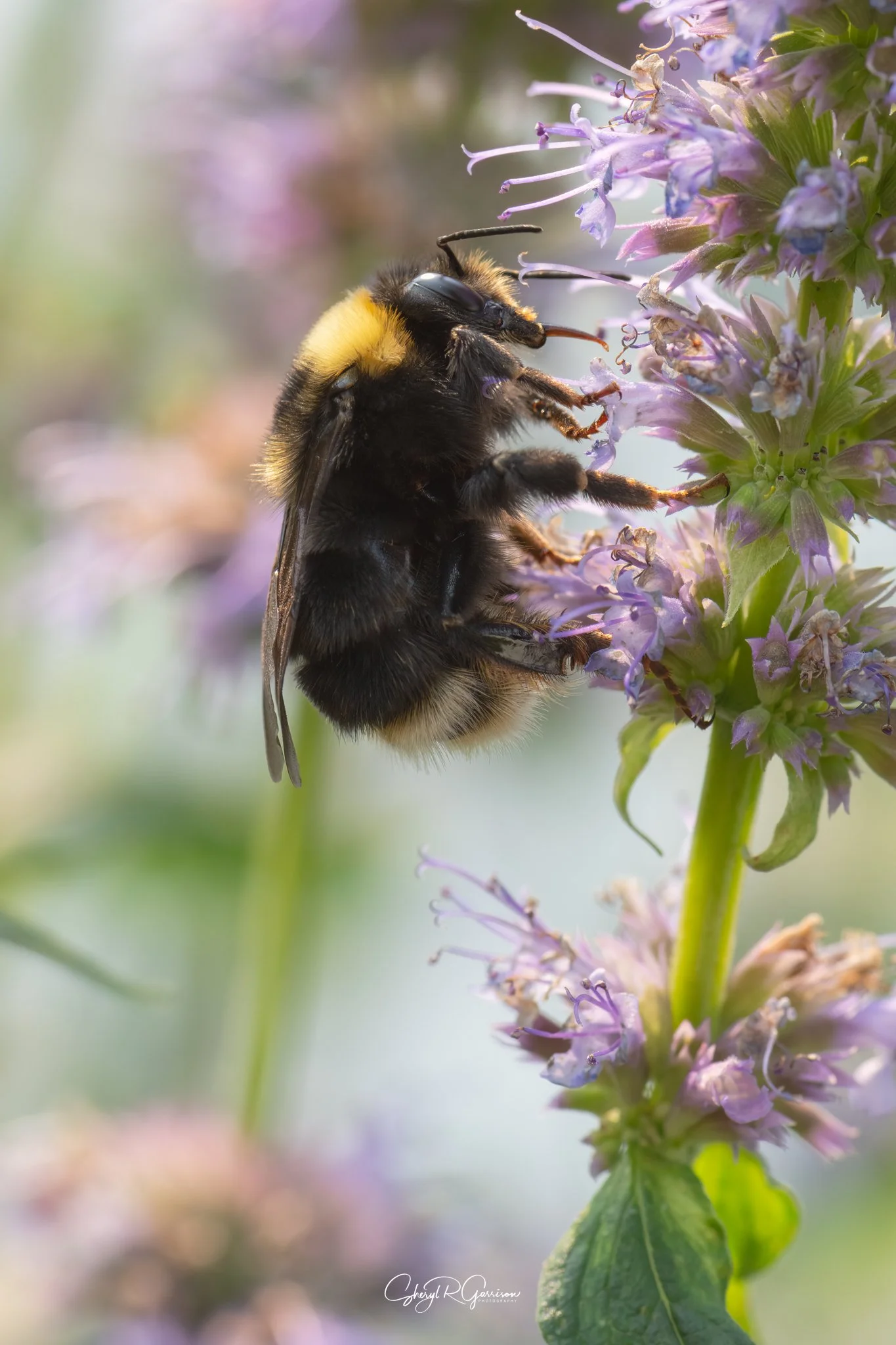
Western Bumble Bee (Bombus occidentalis)

These practices build on the Canadian Food Inspection Agency's Bumblebee Sector Guide to the National Bee Farm-Level Biosecurity Standard, with a focus on practical actions relevant to Alberta greenhouse growers.
-
☐ Purchase colonies from reputable commercial suppliers.
☐ Ask your supplier about colony health, disease screening and biosecurity practices.
☐ Keep basic records of when colonies arrive and where they are placed.
Why? Preventing disease from entering the greenhouse is easier than managing it after it arrives.
-
☐ Ensure queen excluders are installed and maintained on all B. impatiens colonies throughout their use.
☐ Do not place B. impatiens colonies outside.
☐ Place colonies away from exterior doors and frequently opened entrances.
☐ Keep doors, windows and other openings bee-tight where practical.
☐ Screen vents and other openings where practical while maintaining greenhouse ventilation requirements.
☐ Look for other potential escape routes and consider simple barriers at frequently used entrances.
Think both ways: measures that keep managed bees inside can also help prevent native bumble bees from entering the greenhouse.
-
☐ Follow supplier recommendations for colony placement and stocking rates.
☐ Protect colonies from excessive heat and unnecessary disturbance.
☐ Check colonies regularly for unusual mortality, abnormal activity or other signs of poor health.
☐ Isolate and address colonies with suspected health problems promptly.
Why? Healthy colony management reduces biosecurity risks and supports effective crop pollination.
-
☐ Track how long each colony has been in production.
☐ Follow CFIA guidance for timely removal of B. impatiens colonies. In Western Canada, standard practice is disposal no later than eight weeks after initial placement.
☐ Close the hive and securely contain or bag the entire colony before moving it.
☐ Euthanize the entire colony before disposal using an appropriate method.
☐ Never release remaining queens, workers or males outdoors.
Why? Colony removal and disposal are critical opportunities to prevent both disease transmission and establishment of B. impatiens in the wild.
-
☐ Make sure staff understand why managed bumble bees need to remain inside.
☐ Train employees in proper colony handling, movement and disposal.
☐ Periodically check the greenhouse for potential bee escape routes.
☐ If managed bumble bees are regularly observed outside, investigate how they may be escaping and address the problem.
Take the 10 minute bee containment walk
Walk around your greenhouse and ask:
Where could a managed bumble bee get OUT?
Where could a native bumble bee get IN?
Check exterior doors, loading areas, windows, vents, fans and other openings. Look for practical opportunities to reduce movement between the greenhouse and the surrounding environment.
Removing a Colony
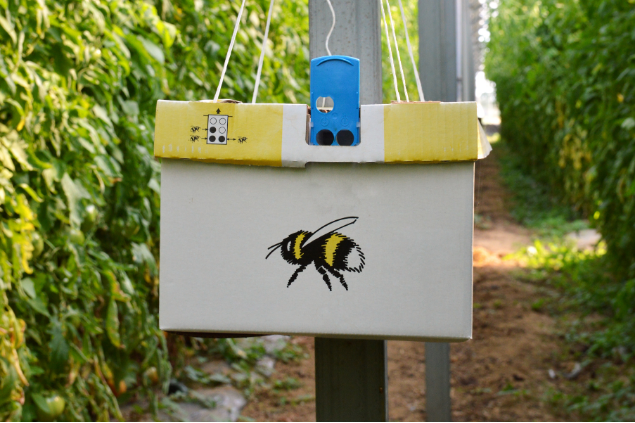
Proper colony removal and disposal are essential to preventing managed bumblebees, pathogens, and parasites from escaping into the environment. The following steps summarize key considerations from CFIA biosecurity guidance. Always confirm current permit conditions, supplier instructions, and local disposal requirements.
Do not release managed B. impatiens colonies or individual bees into the environment.
Remove colonies from service no later than eight weeks after initial placement.
Before removal, close and securely contain the hive to prevent any bumblebees from escaping.
Destroy and dispose of the entire colony and hive in accordance with CFIA requirements, including applicable CFIA biosecurity guidance and any conditions specified on import permits. Keep disposal records.
For bumble bee suppliers
Healthy colonies start with responsible production and handling. The Clean Stock framework proposed by researchers includes disease screening and detection, quarantine and isolation, sanitation and prevention, treatment, and recordkeeping that supports traceability.
ANBC’s greenhouse recommendations complement supplier practices by focusing on what happens after colonies arrive: containment, monitoring, handling and end-of-use management.
Read the 2023 Clean Stock proposal
We welcome opportunities to engage with commercial suppliers to better understand current practices, share information, and explore ways to strengthen biosecurity throughout the supply chain.
For greenhouse manufacturers
Containment works best when it is considered during design, installation and maintenance. Consider how doors, loading areas, windows, vents and fans can limit bee movement while meeting ventilation and worker-access needs. Make screens, seals and barriers easy to inspect, clean and replace.
Ask the question: Where could a managed bee get OUT, and where could a native bee get IN?
We also welcome opportunities to work with greenhouse designers and manufacturers to explore practical containment solutions that can be incorporated into new and existing facilities.

Common Eastern Bumble Bee (Bombus impatiens)
We want to work with industry!
The Alberta Native Bee Council supports the responsible use of managed bumble bees for greenhouse pollination. We recognize the important role of greenhouse growers, suppliers, and manufacturers, and want to work together to identify practical, achievable ways to protect native bees while supporting successful greenhouse production.
We welcome opportunities to connect with industry, visit greenhouse operations, learn about existing practices and challenges, and work together to improve these recommendations.
Have questions, suggestions, or an interest in collaborating? We'd love to hear from you!
Contact: info@albertanativebeecouncil.ca
Grower Resources:
CFIA Bumblebee Sector Guide to the National Bee Farm-Level Biosecurity Standard
Detailed guidance on colony care, containment, monitoring and disposal
CFIA Bumblebee Biosecurity Checklist (PDF)
A quick checklist for reviewing greenhouse biosecurity practices
Alberta records of the Common Eastern Bumble Bee
Research on outdoor B. impatiens captures in southeastern Alberta and their possible link to greenhouse escapes
COSEWIC Western Bumble Bee assessment
Background on B. occidentalis declines and threats, including pathogen spillover
Clean Stock certification proposal
A proposed framework for reducing disease risks in commercial bumble bee production